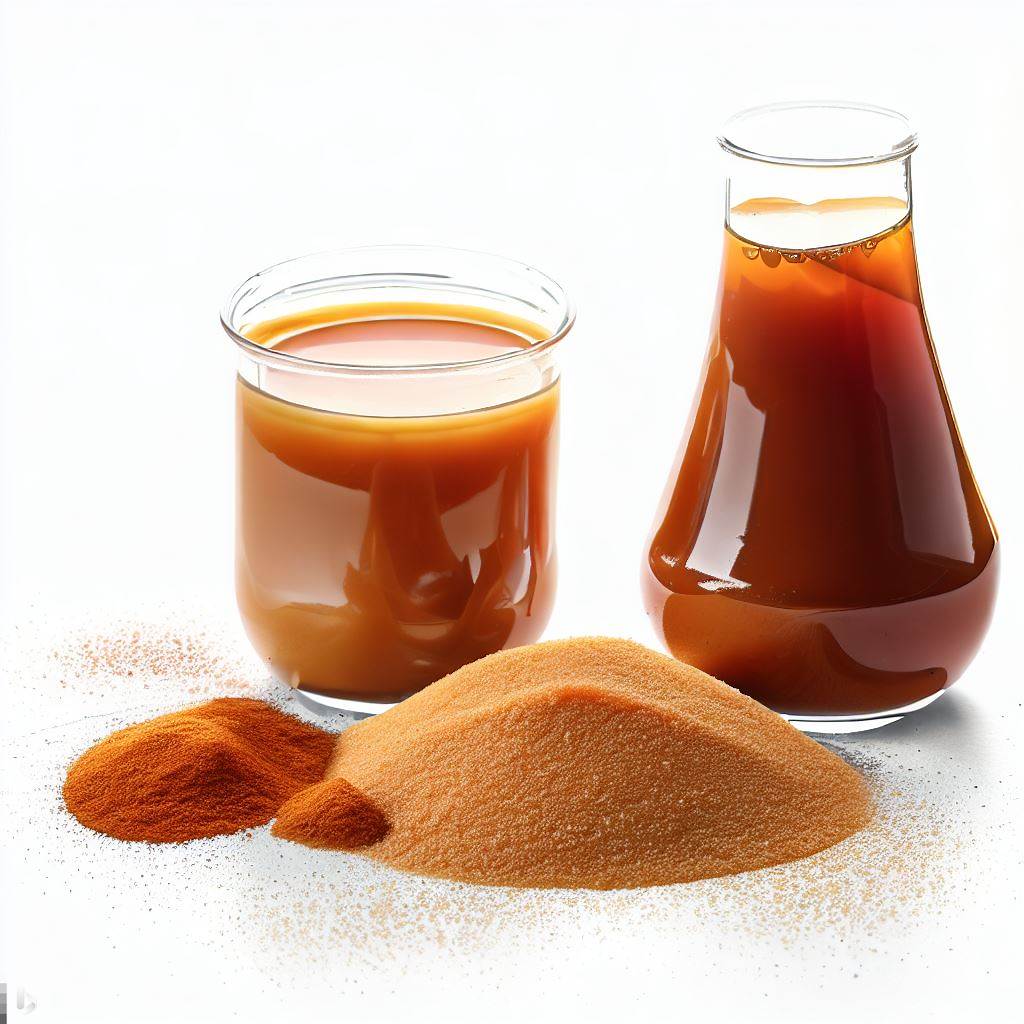
Caramel colour Powder are categorized into four classes depending on the food-grade reactants used in its manufacturing : E150a : Plain Caramel Colour (Type I) E150b : Caustic Sulte Process Caramel Colour (Type II) E150c : Ammonia Process Caramel Colour (Type III) E150d : Sulte Ammonia Process Caramel Colour (Type IV) Caramel colour Powder available in a wide range of strengths and hues to achieve food colours from light yellows to dark browns for a wide variety of food and beverage applications. Application: Seasoning, Soup Premixes, Instant Food Products, Protein Powders, Soups, Noodle Seasonings, Cake Premixes, Powdered Beverages etc. Noodles Seasonings, Sauce Powders, Cake Premixes, Bouillon cubes, Snack Seasoning, Pet Food etc
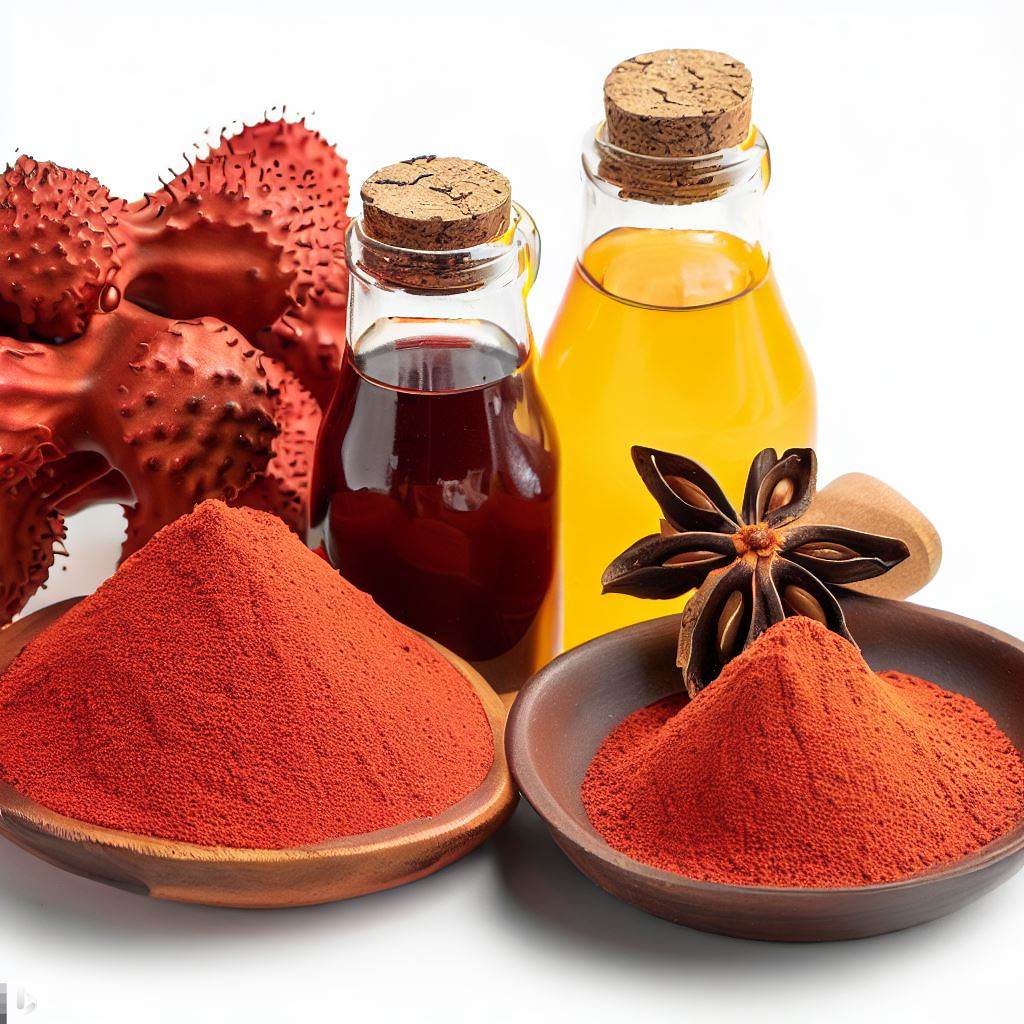
Annatto Colour is extracted from the seeds of a plant called Annatto (Bixa Orellana). These seeds are red in colour and give two pigments, Bixin which is oil soluble and Norbixin which is water soluble. Annatto colour is Yellowish Orange to Dark Orange in Colour. E-160b : Annatto Oil Soluble (1.5% Bixin) E-160b : Annatto Water Soluble (1.5% Nor - Bixin) E-160b : Annatto Nor Bixin Powder (1.5% Nor - Bixin) Application: Bixin, being oil soluble, is used in Products such as Butter, Table Spreads, Margarine, Cream Fillings for Biscuits and other fat-based products. Norbixin has been traditionally used in Cheese Coloration but now finds application in a variety of products like Beverages, Breadcrumbs, Flour Confectionery, Dairy Products and Ice Creams.
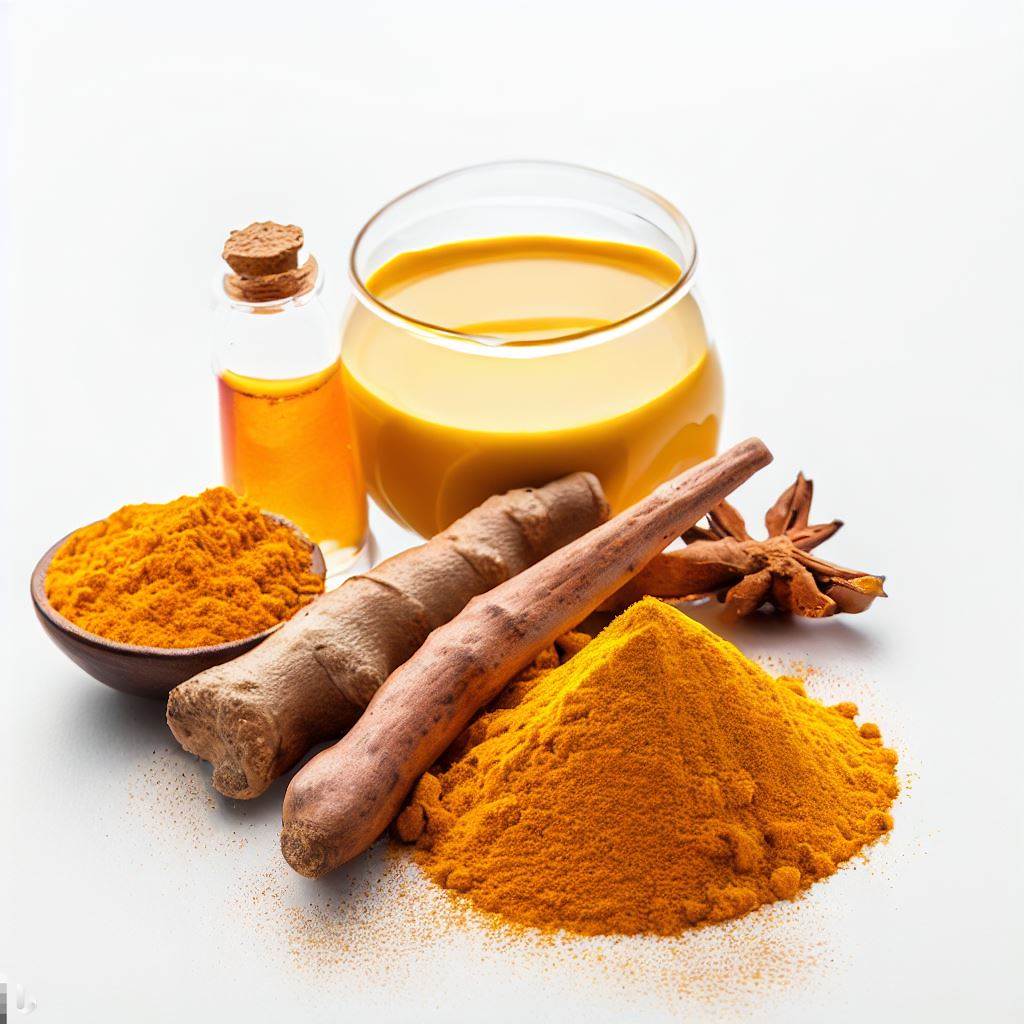
Curcumin (Curcuma longa) is extracted from the plant Curcuma longa as an oleoresin which is then further purified to strengthen and stabilize the colour. Curcumin is the principle pigment of Turmeric and provides a bright, strong yellow colour. Curcumin is an oil soluble pigment that is available in convenient water dispersible forms and used in a wide range of Food Products. It is heat stable and used in acid pH range products. E-100 : Water Soluble Powder and Liquid – Up to 30% Pigment E-100 : Oil Soluble Liquid – Up to 30% Pigment. Application: The most common applications are as an ingredient in dietary supplement, in cosmetics, as flavouring for foods, such as turmeric-flavoured beverages